![[HERO] Top 10 Autism Resources for Teachers: Practical Tools for Tomorrow’s Lesson](https://cdn.marblism.com/5LKKRAKrNOA.webp)
I know exactly what your Sunday night feels like. You’re sitting there with a cup of lukewarm coffee, looking at your lesson plan, and wondering how you’re going to reach every single student in your room tomorrow. You want to be the teacher who helps every child shine, but sometimes the “how” feels like a giant puzzle with missing pieces.
If you’ve ever felt overwhelmed by the unique needs of your neurodivergent students, I want you to take a deep breath. You aren’t failing; you’re just navigating a complex landscape. The truth is, building a truly supportive environment doesn’t require a miracle: it requires the right autism resources for teachers.
In my 25+ years of coaching and teaching, I’ve seen how the right tool can transform a “challenging” morning into a breakthrough moment. We aren’t just looking for “behavior management”; we are looking for inclusive classroom strategies that honor the dignity and sovereignty of every student.
Here are the top 10 practical, actionable resources you can start using as soon as the bell rings tomorrow.
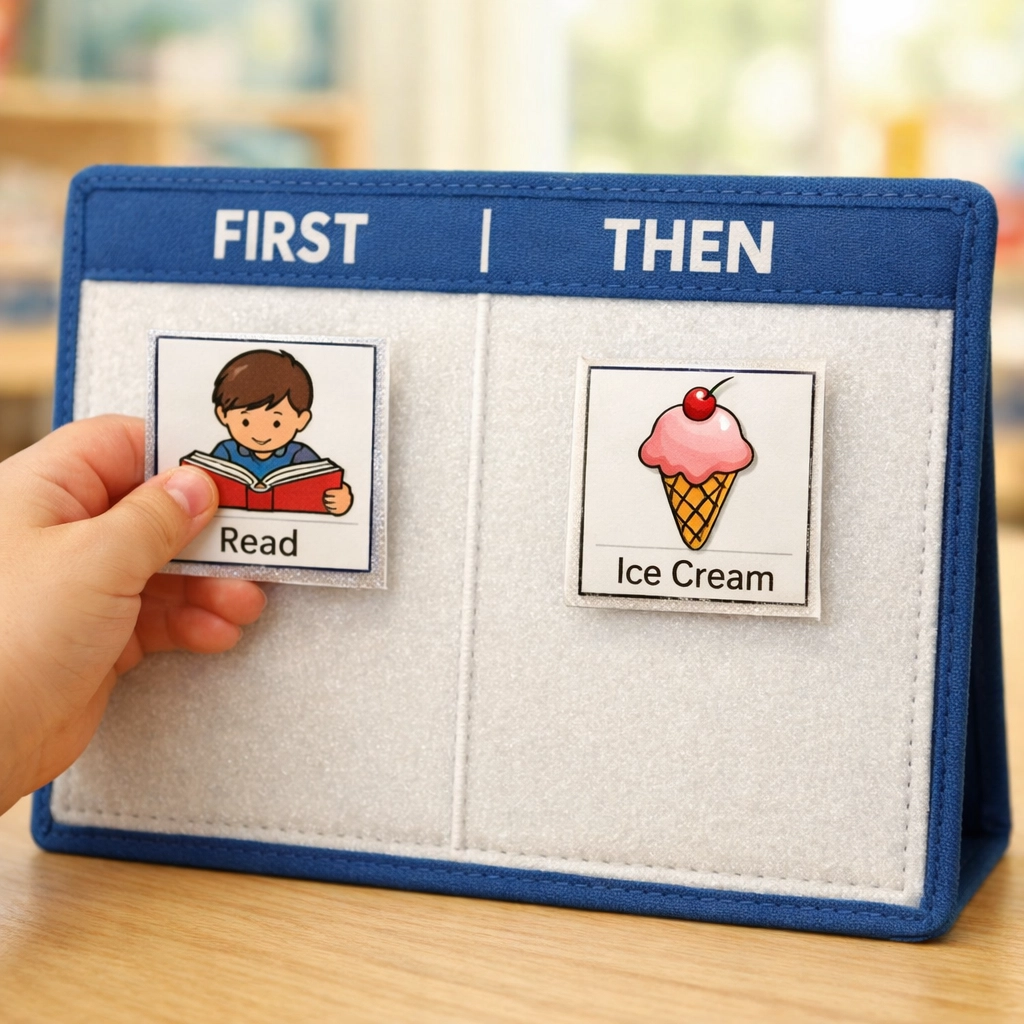
1. Visual Schedules and “First-Then” Boards
For many neurodivergent students, the spoken word can be like mist: it’s there for a second and then it vanishes. Visuals, however, are permanent. They provide a sense of safety and predictability that lowers anxiety levels instantly.
A visual schedule isn’t just a list; it’s a roadmap for the day. By showing a student exactly what is coming next, you help them manage transitions without the “fight or flight” response kicking in. “First-Then” boards are the simplified version: “First we do math, then we get five minutes of LEGOs.” It’s clear, it’s fair, and it respects their need for structure.
2. Sensory “Home Bases” and Regulation Tools
We often talk about “behavior,” but usually, what we’re seeing is dysregulation. A student who is humming, rocking, or even hiding under a desk isn’t trying to be “difficult”: they are trying to survive a sensory environment that feels too loud, too bright, or too fast.
Every inclusive classroom needs a “Home Base”: a quiet corner with noise-canceling headphones, weighted cushions, or simple fidget tools like stress balls and textured strips. These aren’t distractions; they are essential autism resources for teachers that allow students to self-regulate so they can actually get back to learning.
3. Digital Power-Ups (Apps and Software)
Technology can be a massive equalizer. For students who struggle with fine motor skills or the physical act of writing, a tablet isn’t a toy: it’s a voice.
- Proloquo2Go: An industry standard for students who are non-speaking or have limited verbal communication.
- TeachTown: Offers structured, evidence-based lessons that track progress automatically.
- Endless Reader: Great for younger kids to learn sight words through engaging, low-stress visuals.
When you integrate these into your inclusive classroom strategies, you’re giving a student a way to demonstrate what they know without the barrier of traditional pen-and-paper tasks.

4. Visual Manipulatives for Academic Learning
Abstract concepts are often the hardest for autistic learners to grasp. Why talk about “three-fourths” when you can hold it in your hand?
Cuisenaire rods, alphabet blocks, and even simple building materials like Magna-Tiles help turn a confusing lecture into a tactile experience. When a student can touch and move the “information,” they are much more likely to retain it. This hands-on approach respects their learning style and builds genuine confidence.
5. Visual and Sound-Based Timers
Transitions are the “danger zones” of the school day. Moving from a preferred activity (like recess) to a less preferred one (like writing) can be jarring.
A visual timer: like a red disk that disappears as time runs out: allows a student to see time passing. It removes the “surprise” of the transition. Instead of you saying, “Two minutes left!” (which can feel like a threat), the timer simply shows them the reality of the schedule. It empowers the student to prepare themselves mentally.
6. Assistive Technology for Writing and Literacy
If a student has amazing ideas but can’t get them onto the paper because their hand won’t stop shaking or their brain moves faster than their pencil, frustration is inevitable.
Speech-to-text tools, like the “Voice Typing” feature in Google Docs, can be a game-changer. Audiobooks are another vital resource. By allowing a student to listen to a story while following along with the text, you are supporting their comprehension without letting their decoding struggles hold them back.

7. Professional Development: “The Neurodivergent Classroom”
Let’s be honest: your college prep probably didn’t give you the deep-dive tools you actually need for today’s diverse classrooms. Sometimes, the best resource isn’t a “thing”: it’s a shift in perspective.
At Teach the Spectrum coaching, we offer a specialized workshop called “The Neurodivergent Classroom.” This isn’t just a boring lecture; it’s a hands-on experience designed to help you see the world through your students’ eyes. We cover everything from sensory processing to advanced inclusive classroom strategies that you can implement the very next day. Your brighter future: and your students’ success: starts with you feeling empowered and equipped.
You can learn more about how we support teachers at https://www.teachthespectrumla.com.

8. Structured IEP and Behavior Support Logs
Data doesn’t have to be a four-letter word. When we track what’s happening in the classroom, we shouldn’t just be looking for “bad” behaviors. We should be looking for patterns.
A simple behavior support log that tracks the “ABC” (Antecedent, Behavior, Consequence) helps you become a detective. You might notice that a student only has “outbursts” on Tuesdays at 10:00 AM. A quick look at the schedule reveals that’s when the leaf blowers are outside the window. Suddenly, it’s not a “behavior problem”: it’s a sensory issue. Having a structured way to track these wins and challenges allows for data-informed, compassionate decision-making.
9. Parent-Teacher Collaboration Frameworks
You are the expert in the classroom, but the parents are the experts on the child. Building a bridge of trust between home and school is one of the most powerful autism resources for teachers.
Try using a simple “Home-School Communication Log.” It doesn’t need to be long. A quick note about a “high point” of the day goes a long way in building a partnership. When parents feel heard and respected, they become your biggest allies in implementing inclusive classroom strategies that work across all settings.

10. The Power of “Wait Time” and Reframing
This last one doesn’t cost a dime, but it might be the most effective tool in your kit. Many neurodivergent students have a longer processing time. When you ask a question, try counting to ten in your head before you prompt them again.
Reframing is the internal resource of seeing “non-compliance” as a “lack of skills” or “sensory overload.” When we shift from “He won’t sit down” to “He needs to move to regulate,” our entire energy changes. Your students can feel that shift. It moves the relationship from one of control to one of connection.
Your Brighter Future Starts Today
Implementing even two or three of these autism resources for teachers can fundamentally change the “vibe” of your classroom. You are doing important, heart-centered work. It’s okay to ask for help, and it’s okay to try new things.
Remember, the goal isn’t to create a “perfect” classroom where every student sits still and stays quiet. The goal is to cultivate a space where every student feels safe, understood, and empowered to learn in their own unique way.
If you’re ready to take the next step and truly transform your teaching practice, I invite you to explore our resources and workshops at Teach the Spectrum coaching. We are here to walk this journey with you, providing the compassion and expertise you deserve. If you’re ready to transform your approach to supporting your neurodivergent student community and want a partner who understands the nuances of the spectrum, we’re here to help. At Teach the Spectrum coaching, we don’t just coach teachers; we empower schools.
You’ve got this, and more importantly, your students have you. Let’s make tomorrow’s lesson the best one yet.
 TeachtheSpectrumLA
Leave a comment